

Mobile Phone Ban in UK Schools: New Government Guidance Explained
Mobile Phones in Schools: New UK Government Guidance Explained
The UK government has issued updated guidance encouraging schools to become mobile phone-free environments during the school day. The aim is to reduce distractions, improve student wellbeing, and create calmer classrooms that support learning.
While the guidance does not create a national legal ban, it strongly recommends that schools limit access to smartphones and similar devices during lessons, breaktimes and lunchtime.

What the New School Phone Guidance Says
The Department for Education recommends that schools restrict mobile phone access for the entire school day.
This includes:
- No access to phones during lessons
- No phone use during breaks or lunchtime
- Restrictions on smartwatches or similar smart devices
- Clear behaviour policies explaining the rules
Schools can decide exactly how they enforce the policy, but the guidance encourages a consistent approach that removes phones from classrooms and reduces disruption.

Why Schools Are Limiting Phone Use
Smartphones are an important part of modern life, but research shows they can affect concentration and wellbeing when used during school hours.
The government highlights several benefits of reducing phone use in schools:
1. Fewer Classroom Distractions
Notifications, social media and messaging apps can interrupt lessons and reduce students’ ability to concentrate on learning.
2. Reduced Cyberbullying Risks
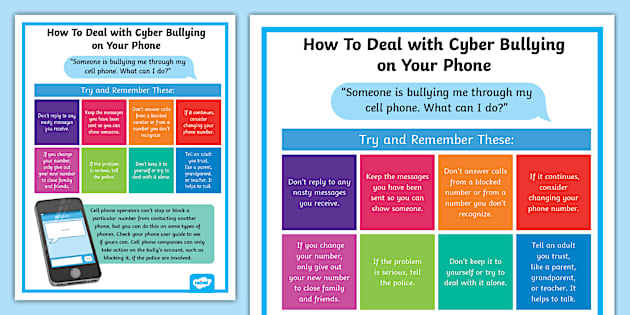
Phones can sometimes be used to share harmful content, record incidents or participate in online bullying.
3. Better Student Behaviour
Schools that restrict phones often report calmer classrooms and improved engagement.
4. Improved Wellbeing
Less screen time during the day encourages students to socialise face-to-face and focus on school activities.
How Schools May Enforce the Phone Rules
Schools can choose how to manage phone restrictions, but common approaches include:
- Students handing phones in at the start of the day
- Phones kept switched off in bags
- Lockers or secure storage pouches
- Confiscation if rules are broken
Each school can decide which system works best, but the goal is to ensure phones do not disrupt learning during the school day.
Are There Any Exceptions?
Some limited exceptions may be allowed, including:
- Devices required for medical reasons
- Sixth-form students with supervised access
- Technology used for approved educational activities
However, the government emphasises that exceptions should be rare and clearly justified.

What This Means for Parents
Parents are encouraged to support school policies by helping children understand why phone restrictions are important during the school day.
Schools should clearly communicate:
- The reasons for the policy
- How phones will be stored or managed
- The consequences of breaking the rules
The aim is not simply to remove phones, but to create a healthier balance between technology and learning.
The Bigger Picture: Technology and Young People
The mobile phone guidance is part of a broader government effort to improve children’s relationship with technology and social media.
Alongside phone restrictions in schools, policymakers are also looking at:
- Online safety education
- Social media protections for children
- Reducing harmful digital content exposure
Final Thoughts
Mobile phones are powerful tools, but they can easily become a distraction in the classroom. The new UK guidance encourages schools to create phone-free learning environments so students can focus on education, build social skills and improve wellbeing.
By working together — schools, parents and students — the goal is to create healthier digital habits and better learning environments.
You can read the full guidance here:
UK Government – Mobile Phones in Schools Guidance